Bettie C. Marino: Educator, Organizer, and Builder of Institutions in Jackson
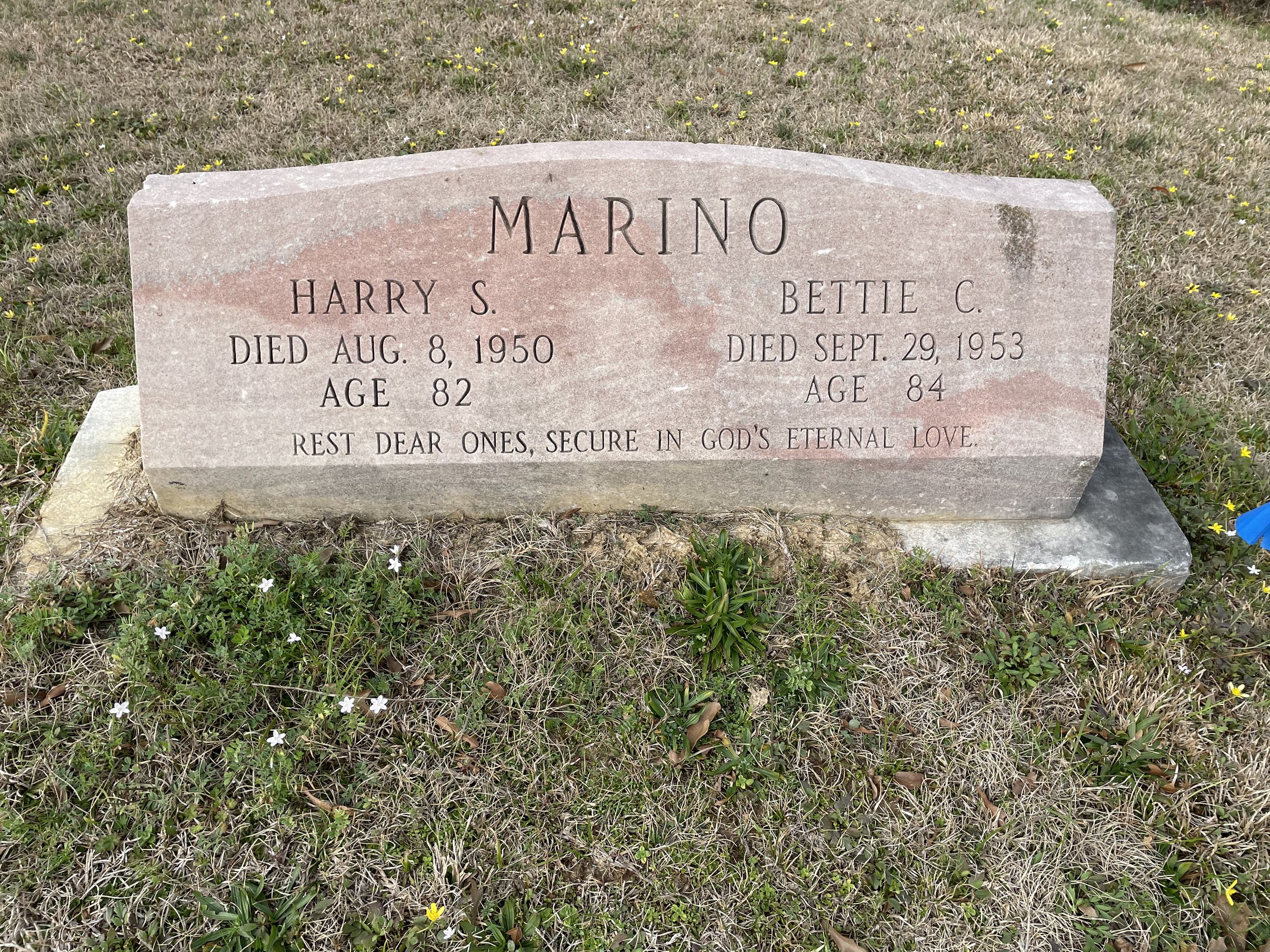
In the history of Black education and civic life in Jackson, Mississippi, the name Bettie C. Marino stands with quiet strength. She was remembered not only as one of the city’s first Black school teachers, but as a founder, organizer, and institutional builder whose work shaped generations of women and girls.
Her life was not marked by spectacle. It was marked by service.
Early Education and Teaching Career
Bettie C. Marino was among the earliest graduates of Jackson College (later Jackson State University). Contemporary accounts describe her as “one of Jackson’s first Negro school teachers” and among the oldest living graduates of her college at the time of her death.
She began her teaching career at Smith Robertson School, one of Jackson’s earliest public schools for Black students. Colleagues and former principals spoke of her with deep respect. Former students—some by then grandparents—came in large numbers to pay their respects when she died, a testament to the durability of her influence.
She was described as teaching “with love,” and tributes later declared that “many children have risen up to call her blessed.”
Follow us on Facebook and Instagram
Civic Leadership and the Terrell Club
Marino was deeply involved in organized Black women’s civic life in Jackson. She was a loyal member of the Terrell Literary Club and one of only two remaining members who had attended the second meeting of the Club after its founding in 1912. Her commitment to the club never wavered across the decades.
The Terrell Club later played a central role in raising funds to erect a permanent monument over the graves of Bettie and her husband in Greenwood Cemetery. When members discovered that her grave marker had been partially removed during routine cemetery maintenance, they resolved that a more permanent stone should reflect the respect she had earned.
The monument was dedicated on her birthday in a ceremony marked by solemnity, unity, and broad community participation.
True to the Public Trust Since 1823
From Pulitzer Prize winners to those who served from the War of 1812 through WWII, Greenwood is a chronicle of sacrifice and success. Help us fund the research, tours, and preservation efforts that bring this history to life. Join us in honoring the depth and complexity of the Mississippi story.
Founder of the Marino Branch YWCA
Perhaps Bettie Marino’s most enduring public legacy was her role in organizing the Farish Street Branch YWCA in Jackson.
Long before the movement had formal recognition locally, she took an active role in building what would become the Bettie C. Marino Branch YWCA. The organization served Black women and girls in an era of rigid segregation, offering structured programming, community space, and leadership development.
Newspaper coverage of the capital campaign for a new Marino Branch building reveals the scale of that effort. By the time of the final report luncheon, nearly $120,000 had been raised toward a $205,000 goal. White and Black citizens of Jackson worked together in the campaign—an important detail in the context of mid-twentieth-century Mississippi.
The branch that bore her name was described as “a symbol of a community’s appreciation for this courageous woman.”
Faith and Church Life
Funeral services for Mrs. Marino were held at Central Methodist Church, where Rev. A. L. Holland delivered the eulogy. Tributes at the dedication of the monument described her as a “true disciple of Faith.” The inscription chosen for the monument—“Rest, Dear Ones, Secure in God’s Eternal Love”—reflected the religious foundation that shaped both her personal and civic commitments.
Her faith was not abstract; it animated her work in education, women’s welfare, and community uplift.
Her Husband: Harry S. Marino
Her husband, Harry S. Marino, preceded her in death. He was employed for many years as a cotton sampler with a local brokerage firm and was a member of the Knights of Pythias. Newspaper accounts emphasized that he remained in the background publicly, but in the forefront of her affection and support. At his death, she was listed as his only survivor and there are no known children of Mr. and Mrs. Marino.
Both were interred in Greenwood Cemetery.
A Life Remembered
When friends gathered around the newly installed monument in Greenwood Cemetery, tributes emphasized that her good deeds had not been “interred with her bones.” She had served her home, her school, her church, and her community.
In many ways, Bettie C. Marino represents a class of early twentieth-century Black women educators whose leadership was both formal and informal—teachers in classrooms, organizers in clubs, founders of institutions, and steady presences in church and civic life.
Author’s Note: This article was written by the author with the assistance of AI tools. The author directed the research, structure, and interpretation of the material, and has edited and reviewed the final content for accuracy and clarity.
Do You Have More Information to Share?
Our historical research is never truly finished. Whether you have insights into our antique rose collection or stories of ancestors who rest here, your contribution helps Mississippi’s past come to life.
