
Welcome to Gone, But Not Forgotten
Downtown Jackson's largest green space,
invites you to explore the stories of our historic residence.
Quick Search
Tag Cloud
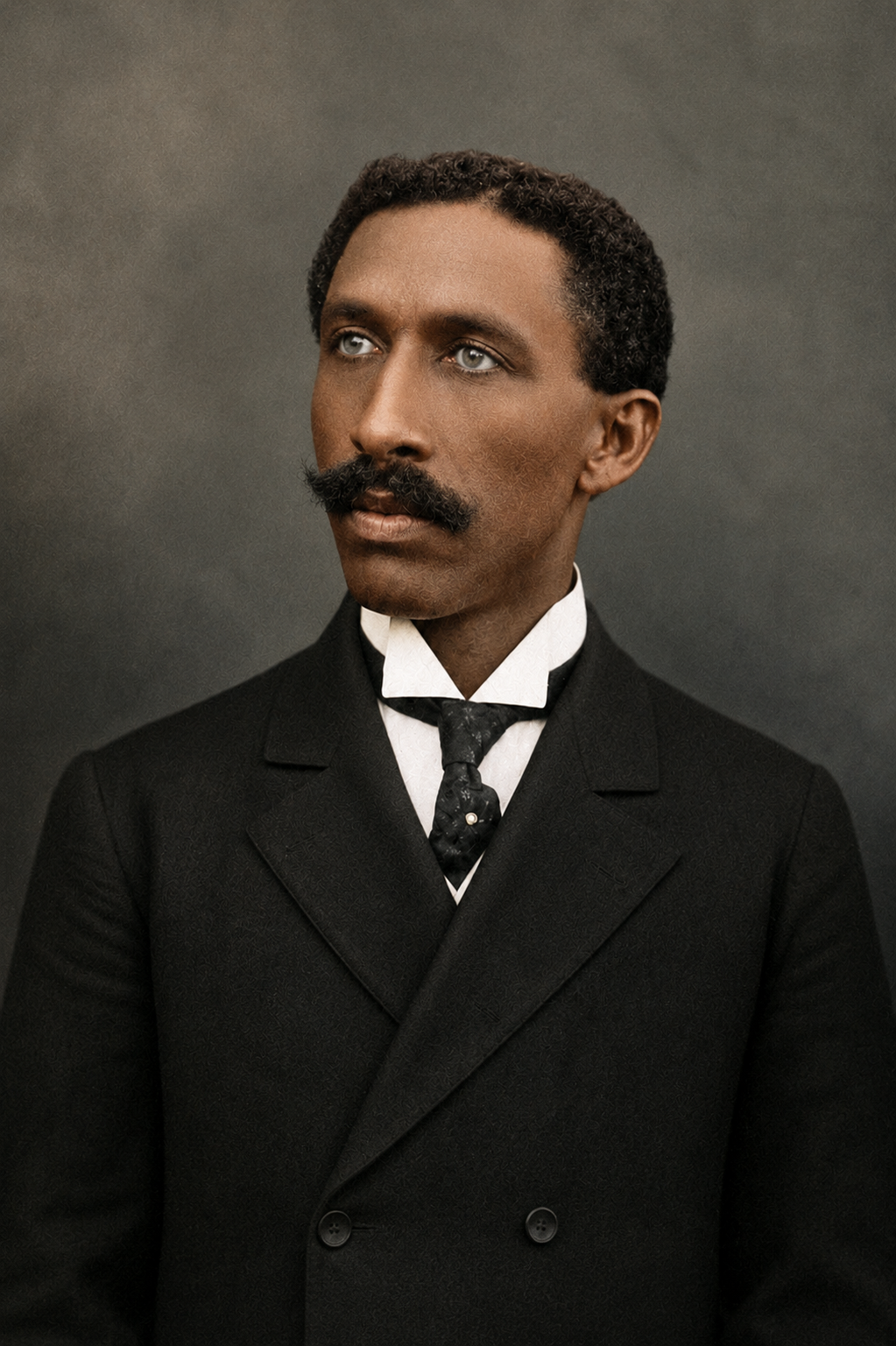
Sidney Dillon Redmond: From a Sharecropper’s Farm to Fame and Fortune
Sidney Dillon Redmond was born October 11, 1871, in Holmes County, Mississippi, the son of Charles and Esther Redmond, both formerly enslaved. His parents became sharecroppers after emancipation, and Sidney spent much of his childhood working on the family farm. According to biographical accounts, his access to education was so limited that he was thirteen before he learned to write his name and count. After his father died, the family sold their farm and moved to Holly Springs, opening an entirely different world to the young Redmond.
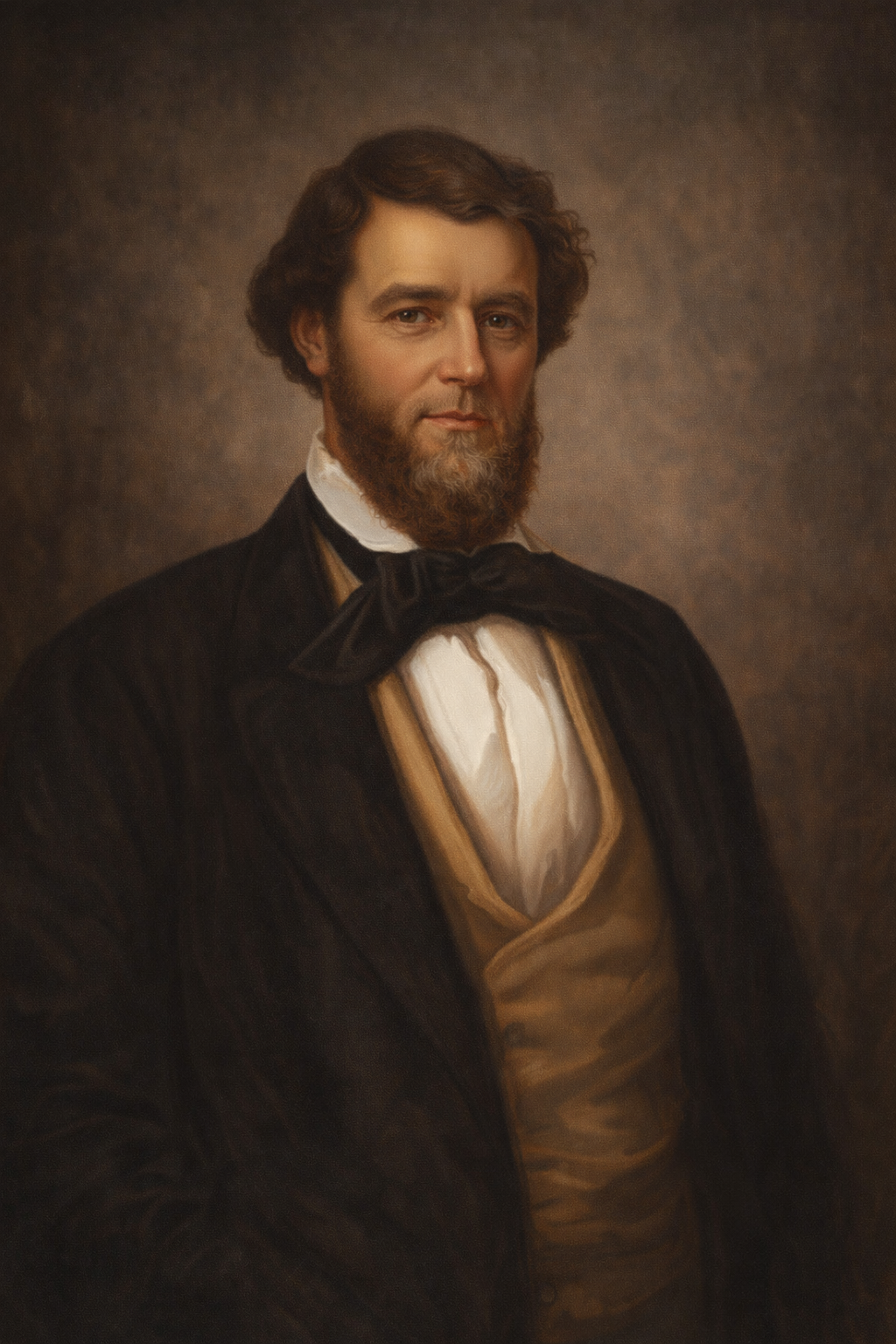
From Pennsylvania to Buena Vista to Savage’s Station to Greenwood: The Griffith Family Story
Richard Griffith is one of those men who seems to stand just offstage in Mississippi history.
He was never as famous as his contemporaries Jefferson Davis or Governor/Congressman John Quitman, but he moved in their world. He was a Mexican War veteran, the Democratic state treasurer, the Southern District U.S. Marshal, and finally a Confederate brigadier general who died in battle in 1862. And if that were the whole story, he would still be worth remembering.
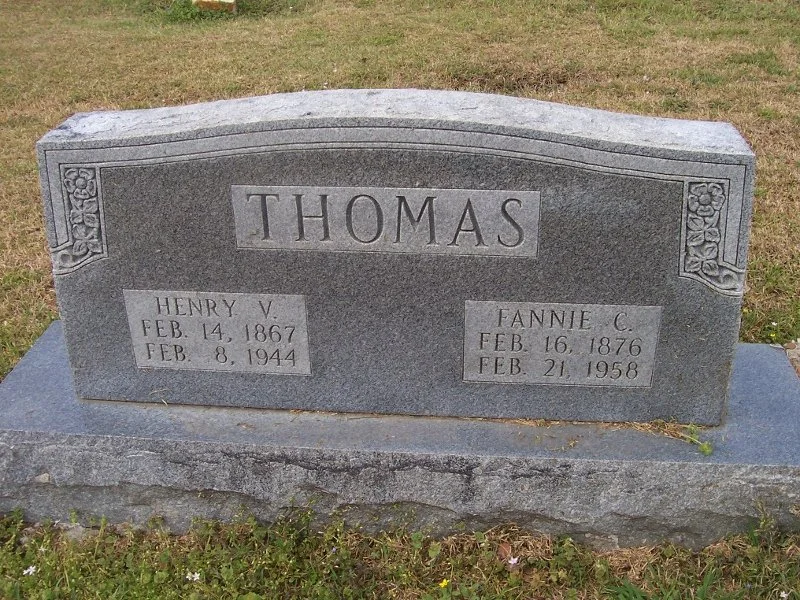
From Monument Street to a National Movement: The Story of Henry and Fannie Thomas
From Monument Street to a National Movement: The Story of Henry and Fannie Thomas
There was a time in Jackson when some of the city’s most important moments passed quietly through a greenhouse on Monument Street.
At 210 Monument Street, Henry and Fannie Thomas built a life together that was “rooted” in work, faith, and community. Their business was flowers, but their work reached far beyond that. For years, they supplied arrangements for churches, celebrations, and, most often, funerals—those solemn moments when families gathered to say goodbye and needed something beautiful to mark the occasion.
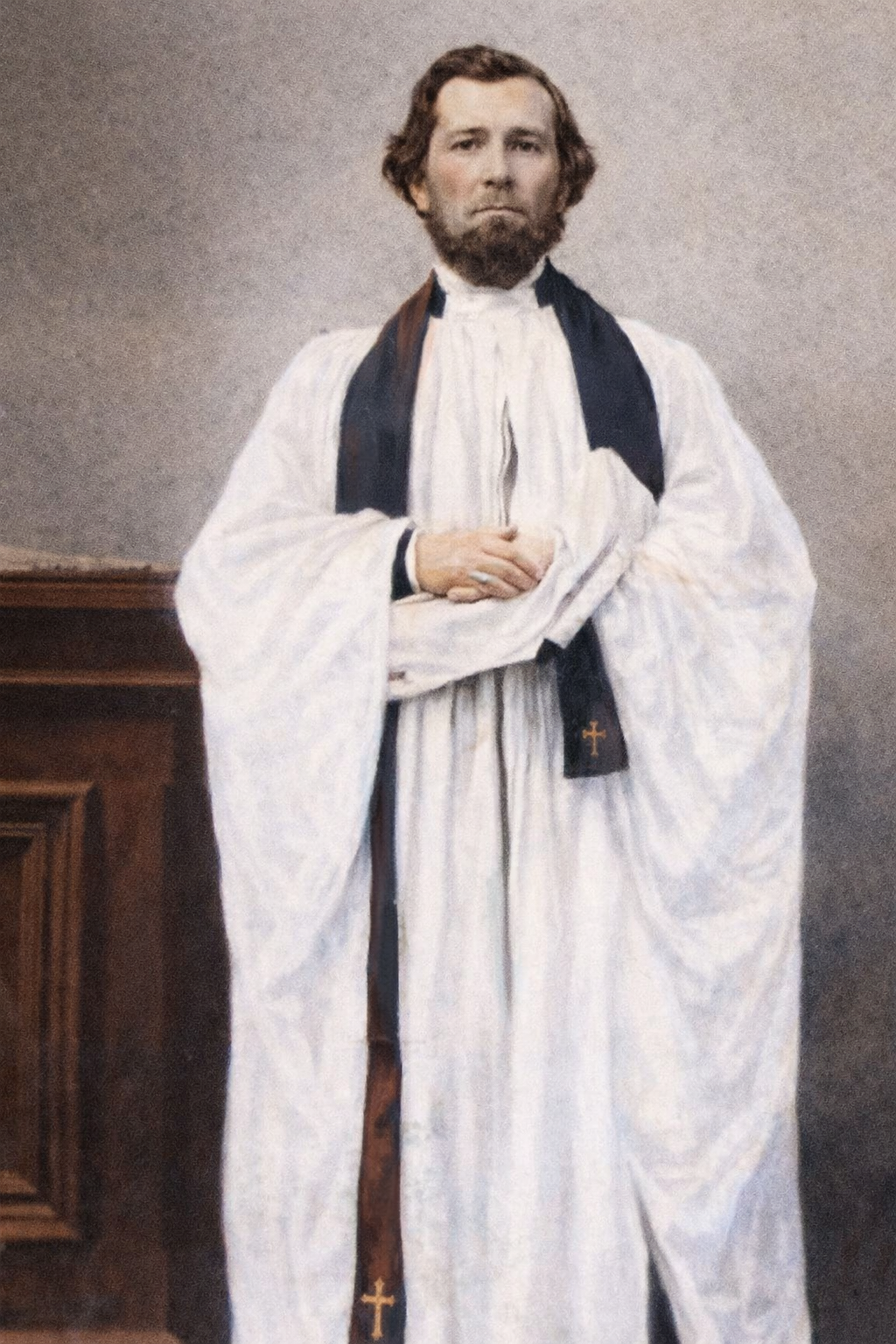
At His Post Until the End: Rev. Amos Cleaver and the Yellow Fever of 1853
On August 12, 1830, a gentleman disembarked from the ship Symmetry at Philadelphia, Pennsylvania. He sailed from Liverpool and was thirty years of age. His name was listed as Amos (sic) Cleaver. He was a cabin passenger which would indicate that he possessed some means.
His odyssey in America began with Lexington, Kentucky. On Sunday the 28th of November, 1830, he was ordained as a deacon in the Virginia Diocese of the Protestant Episcopal Church by the Rt. Rev. Bishop Richard Channing Moore. Cleaver then moved to Lexington, Kentucky. The next year, 1831, the Rt. Rev. Bishop Benjamin Bosworth Smith assigned him to the town of Versailles which was about thirteen miles west of Lexington. Although the church was not begun in Versailles until 1847, Cleaver is recognized as the first Episcopal clergyman to have officiated in that town. No record has been found to indicate when and where he was ordained as a priest but it must have been soon after he became a deacon. In 1832 he was sent to Paris, Kentucky which is located about eighteen miles northeast of Lexington.
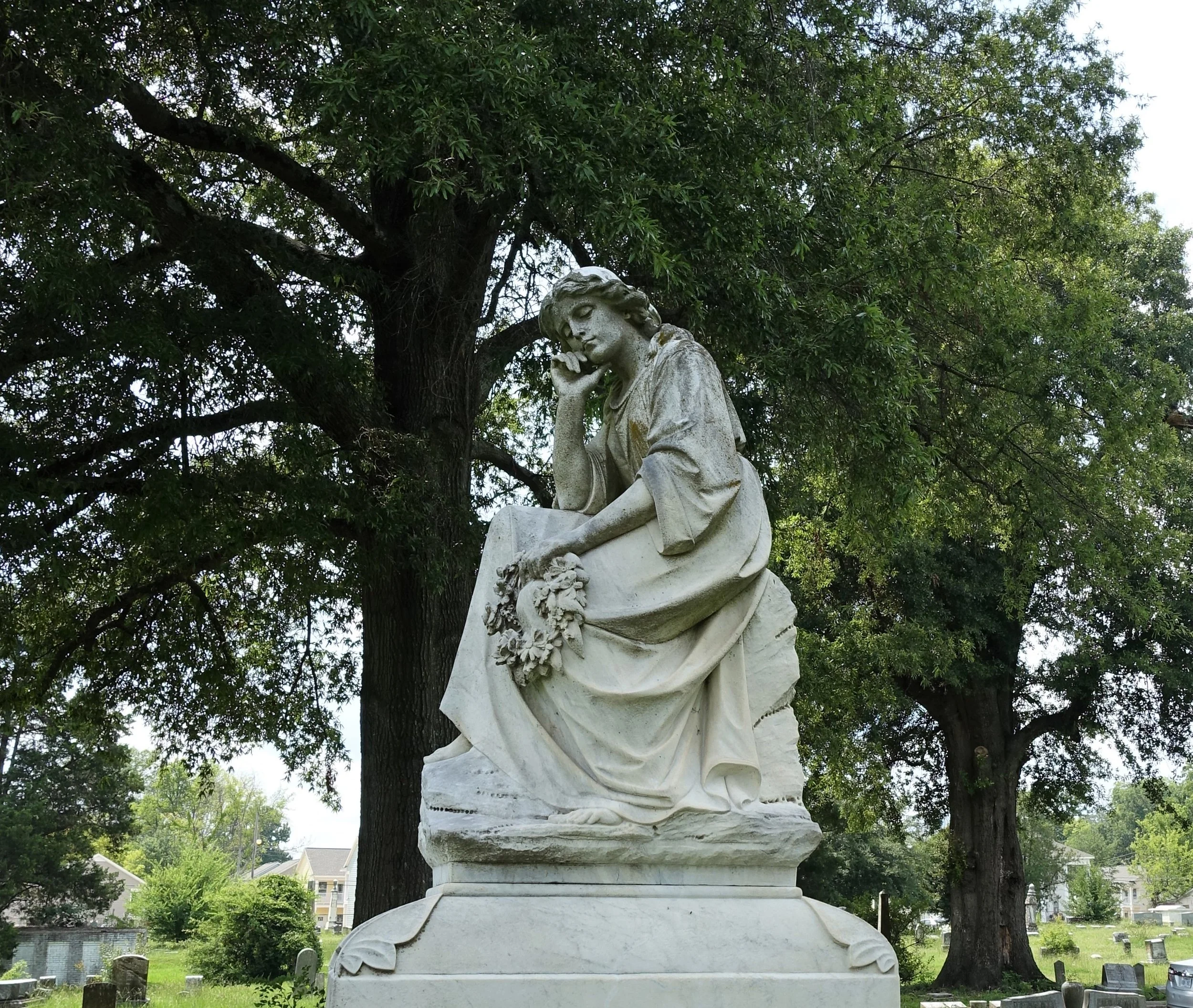
Simple Faith, Enduring Legacy: Remembering Sarah Lemon
One of the most beautiful sculptural memorials in Greenwood Cemetery is that of Sarah Ann Kirkpatrick Lemon, located in Section 1 of the old cemetery. Atop the grave monument for Sarah and her husband George Lemon is a life-size marble statue of a woman in a simple dress, seated on rough stones, resting her head in her right hand in tranquil repose, with her eyes closed as if napping. In her left hand is a wreath of flowers, the symbol of the soul’s immortality, eternal life, and the promise of renewal.
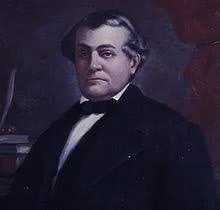
From Mississippi Politics to American Music: The Expanding Legacy of the Guion Family
John Isaac Guion rose from the early Mississippi frontier to become a leading lawyer and ad interim governor during a moment of political crisis tied to the Cuba filibustering scandal of 1851. Through both his public career and his marriages, he was connected to an influential network of political, legal, and planter families that extended across Mississippi and the broader South. Across subsequent generations, the Guion family carried that legacy into new regions and fields, culminating in David Wendell Guion’s role in shaping American folk music and preserving the cultural voice of the South.
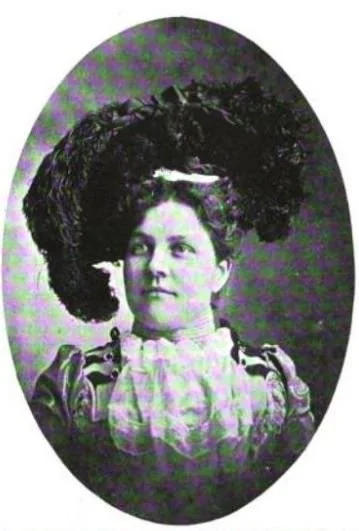
Lida’s Love Letters
When was the last time you received a true love letter? Not a printed card or a quick text, but a handwritten expression of affection—carefully composed, deeply felt, and meant only for you. In today’s world, such gestures are rare, yet in the 19th century, they were often the most meaningful connection between two people.
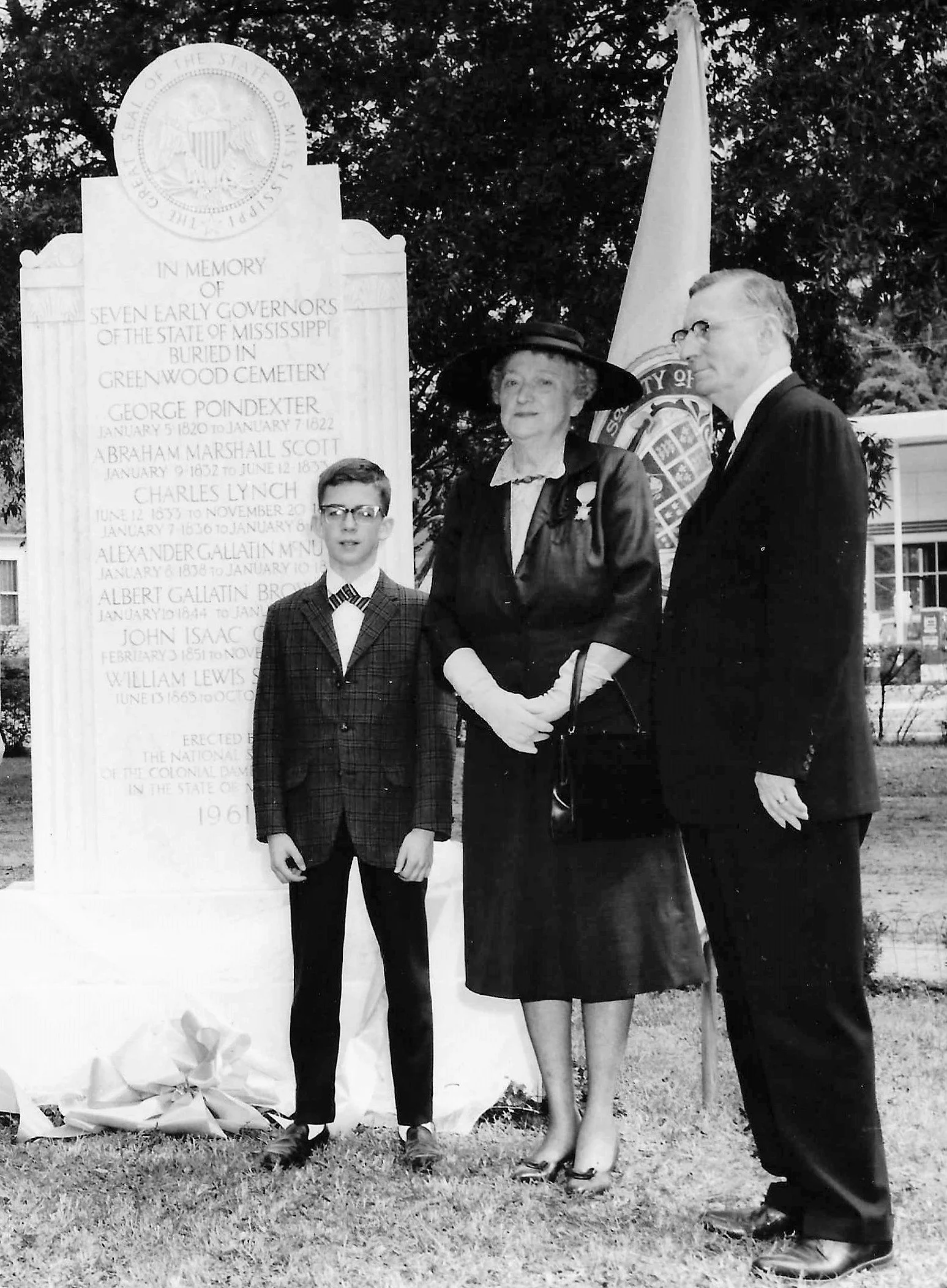
From Beautification to Preservation: When Greenwood’s Women Took on City Hall
Greenwood Cemetery’s continued preservation was not always inevitable. In the mid-twentieth century, its care depended on the steady work—and at times determined resistance—of individuals who saw the cemetery as a place worth protecting.
Two very prominent members of that effort were Mrs. Isham (Norvelle Adams) Beard and Mrs. Luther (Louise) Manship, Jr. Their work together reflects the kind of civic leadership that combined beautification, restoration, documentation, and, when necessary, direct action to protect the cemetery.
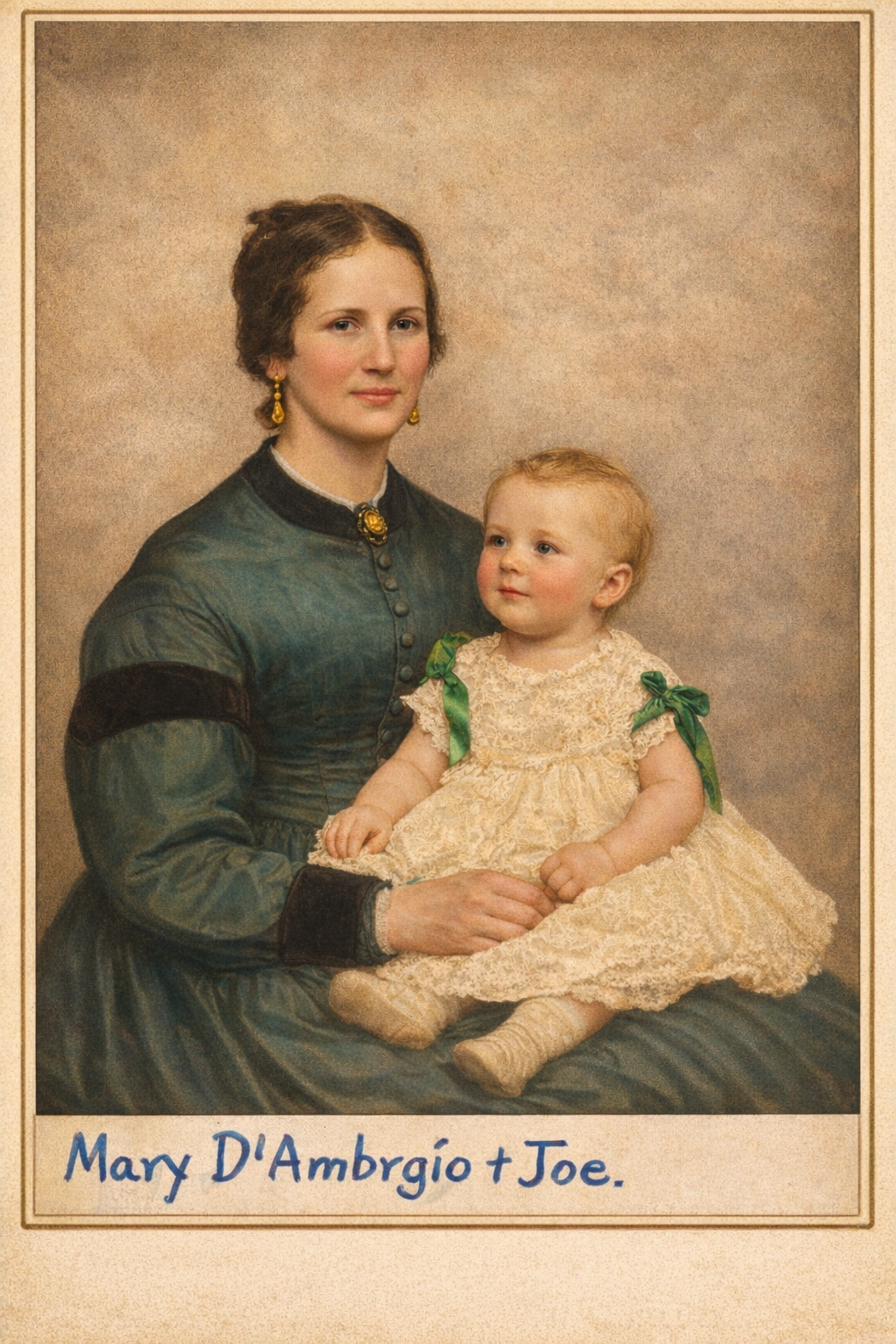
Four Occupations, Two Husbands, One Determined Woman: Mary D’Ambrogio
In 1858, Charles Frederick Worth founded the House of Worth in Paris, France. Soon, the gowns and dresses he created were the epitome of fashion. To be compared in any way to the famous House of Worth would be the highest compliment paid to a seamstress, but that is exactly what happened to Jackson’s Mary D’Ambrogio. Kate Markam Power wrote an article in an early edition of the Jackson Clarion-Ledger and entitled it, “Biography of Jackson’s Pioneer Business Woman Resembles Fiction Character.” In the article she described Mary simply, “What Worth meant to Paris in his day Mrs. D’Ambrogio meant to Jackson in hers.”
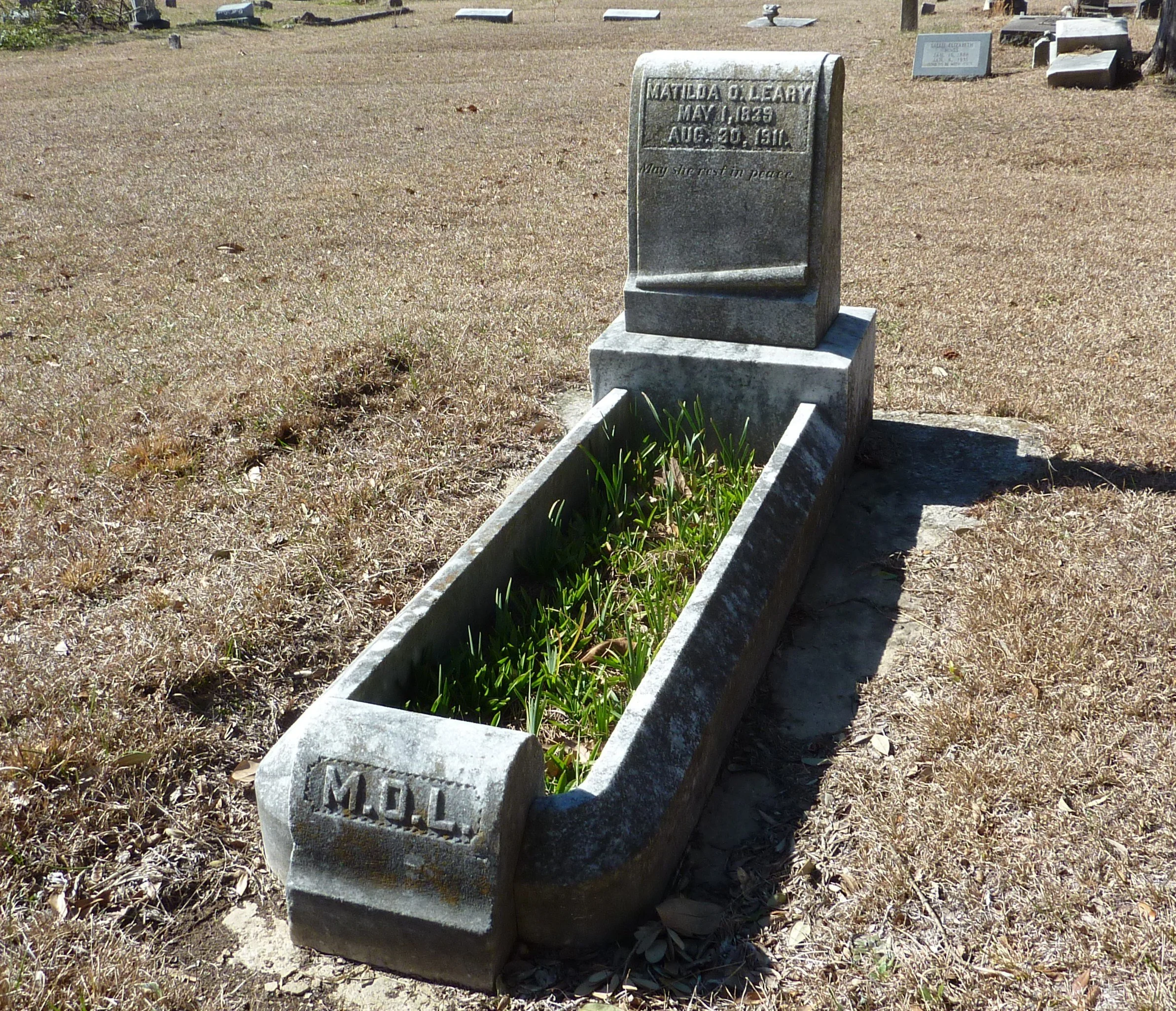
Matilda O’Leary: An Irish Immigrant Who Helped Build Jackson
In the late nineteenth century, as Jackson rebuilt and expanded in the years after the Civil War, one of the city’s most successful real estate developers was an Irish immigrant widow who had already endured extraordinary loss. Matilda O’Leary’s life story is one of resilience, entrepreneurship, and civic contribution. By the time of her death in 1911, she had become one of Jackson’s most prominent property owners, and her obituary described her as “a woman of exceptional business sagacity.”
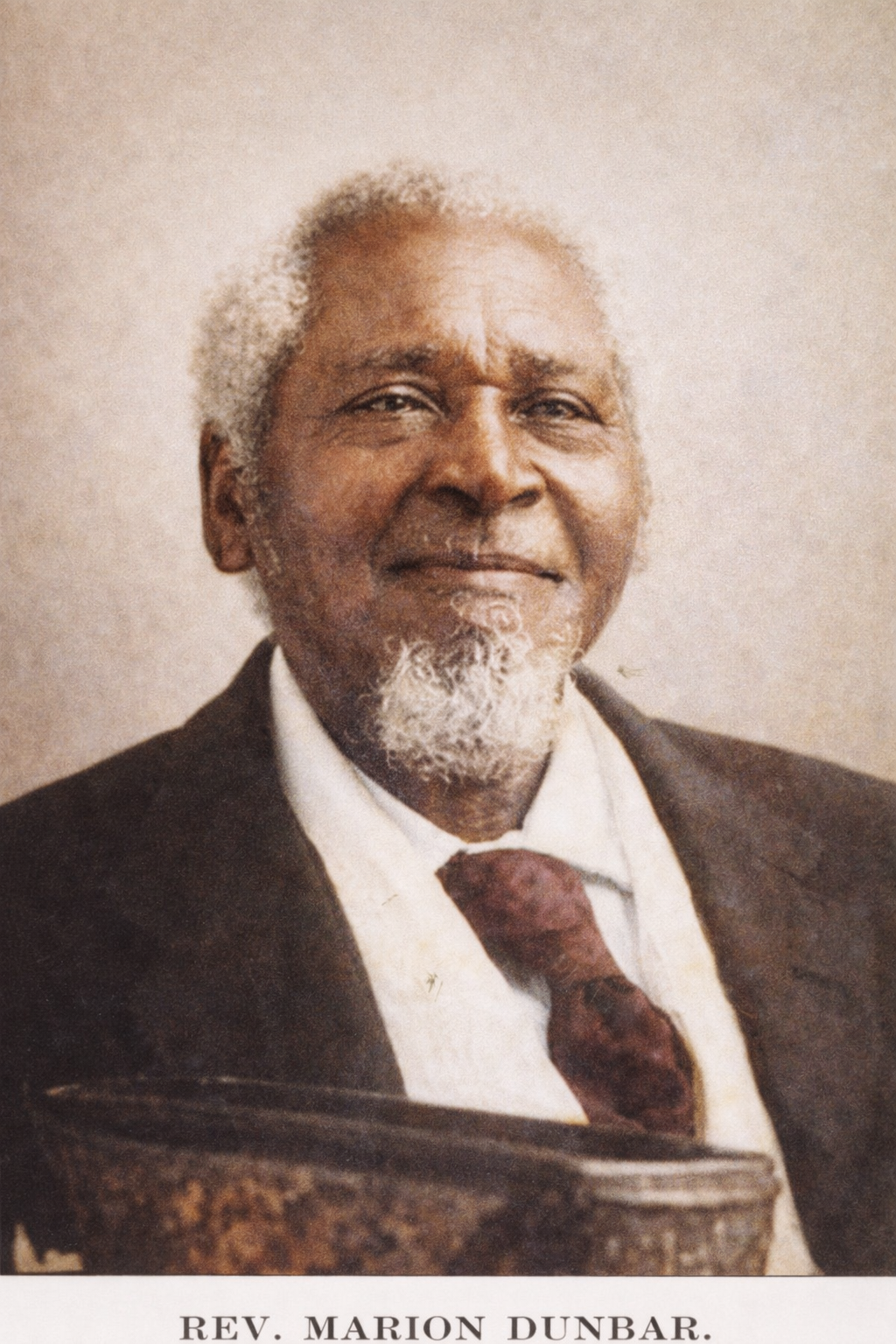
Reverend Marion Dunbar: From Blacksmith to Church Builder
The founding pastor of Mt. Helm Baptist Church (Greenwood Cemetery’s neighbor to the west) was impactful and influential in many circles outside of his ministry including offering the first classrooms for what would become Jackson State University.
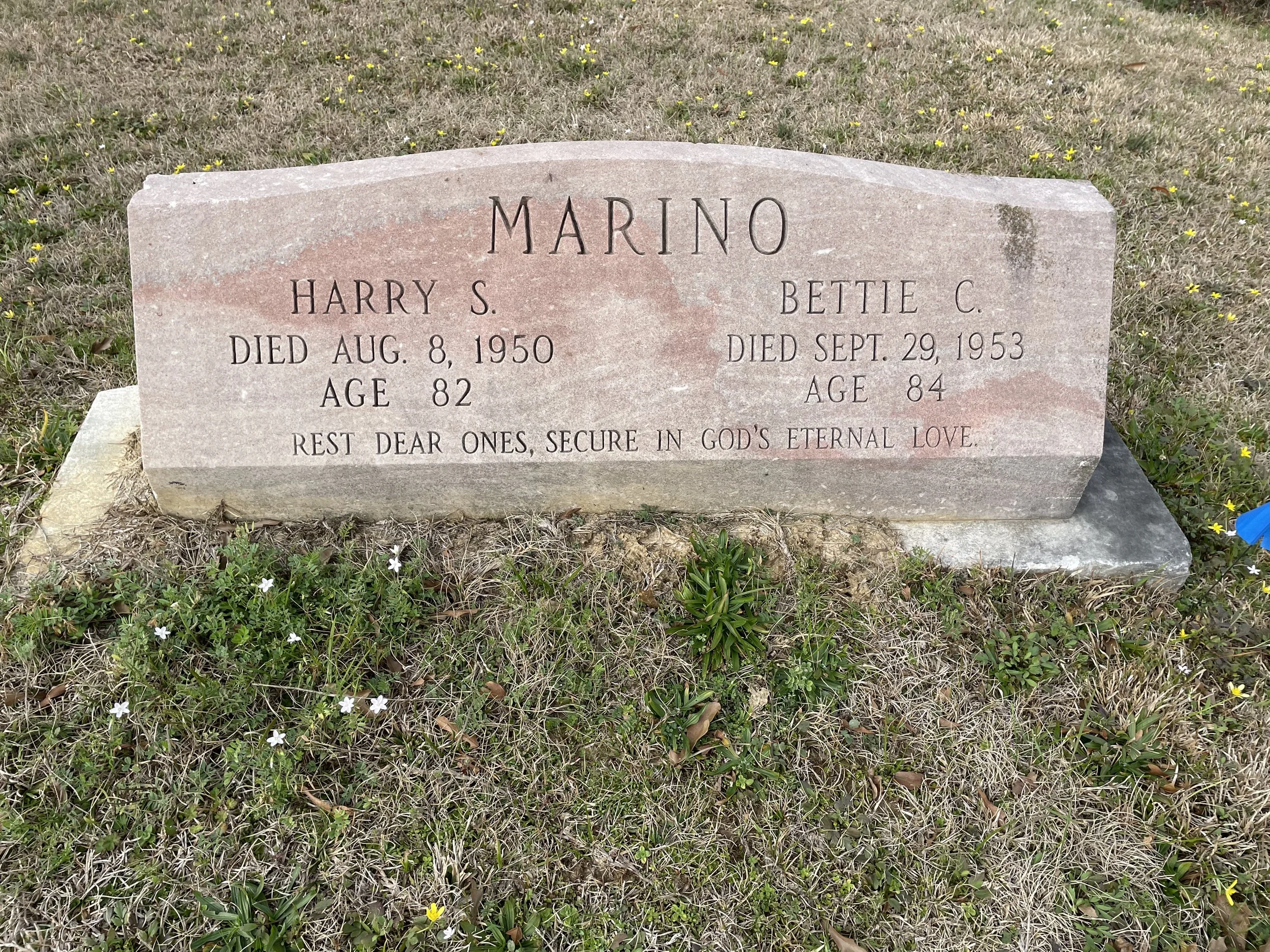
Bettie C. Marino: Educator, Organizer, and Builder of Institutions in Jackson
In the history of Black education and civic life in Jackson, Mississippi, the name Bettie C. Marino stands with quiet strength. She was remembered not only as one of the city’s first Black school teachers, but as a founder, organizer, and institutional builder whose work shaped generations of women and girls.
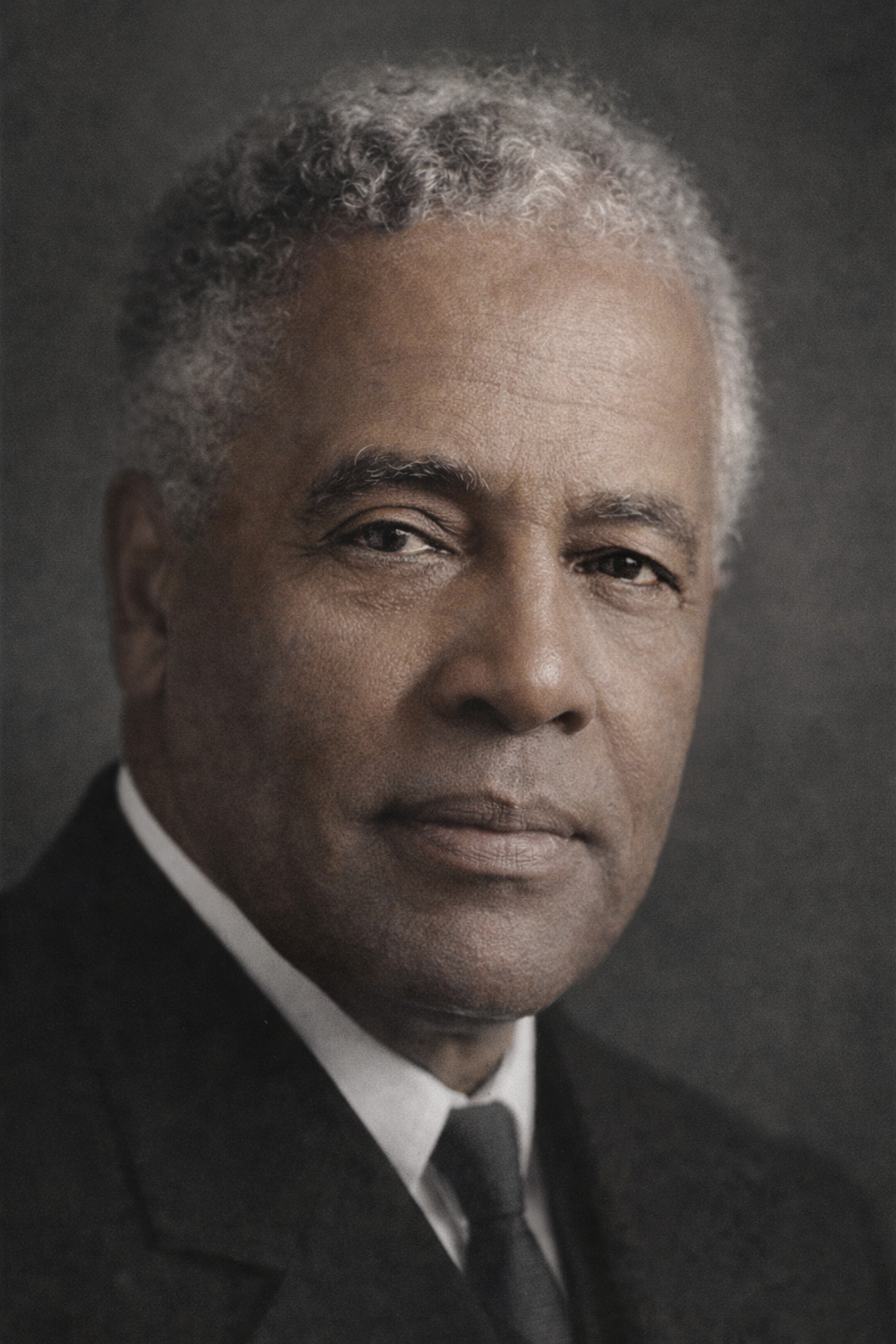
Professor W.H. Lanier: Architect of Jackson’s Black School System
William Henry Lanier was among the most consequential African American educators in Mississippi during the late nineteenth and early twentieth centuries. Born enslaved in Alabama around 1851, Lanier rose to become a college president, long-serving supervisor of Black public schools in Jackson, and the namesake of the city’s first four-year Black high school. His career reflects both the possibilities and the tensions that shaped Black educational leadership in the post–Civil War South.
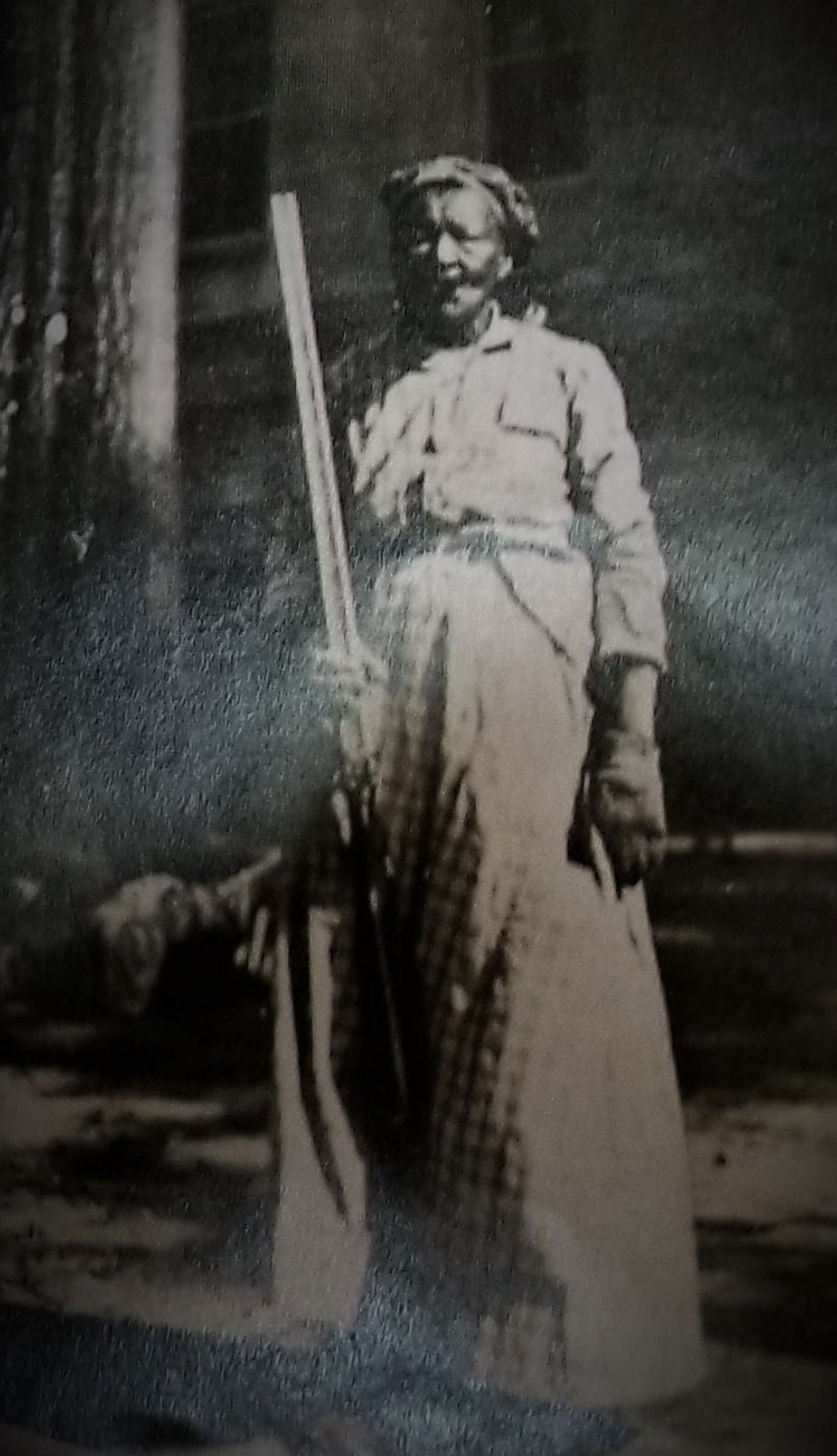
AUNT NANCY HILL
It has been said that the brilliant inventor Thomas Edison (1847-1931) dreamed of developing a “spirit phone” that could record the voices of the dead. I wish there were such a device…