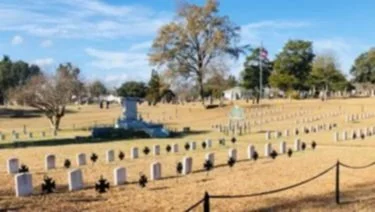
Welcome to Gone, But Not Forgotten
Downtown Jackson's largest green space,
invites you to explore the stories of our historic residence.
Quick Search
Tag Cloud
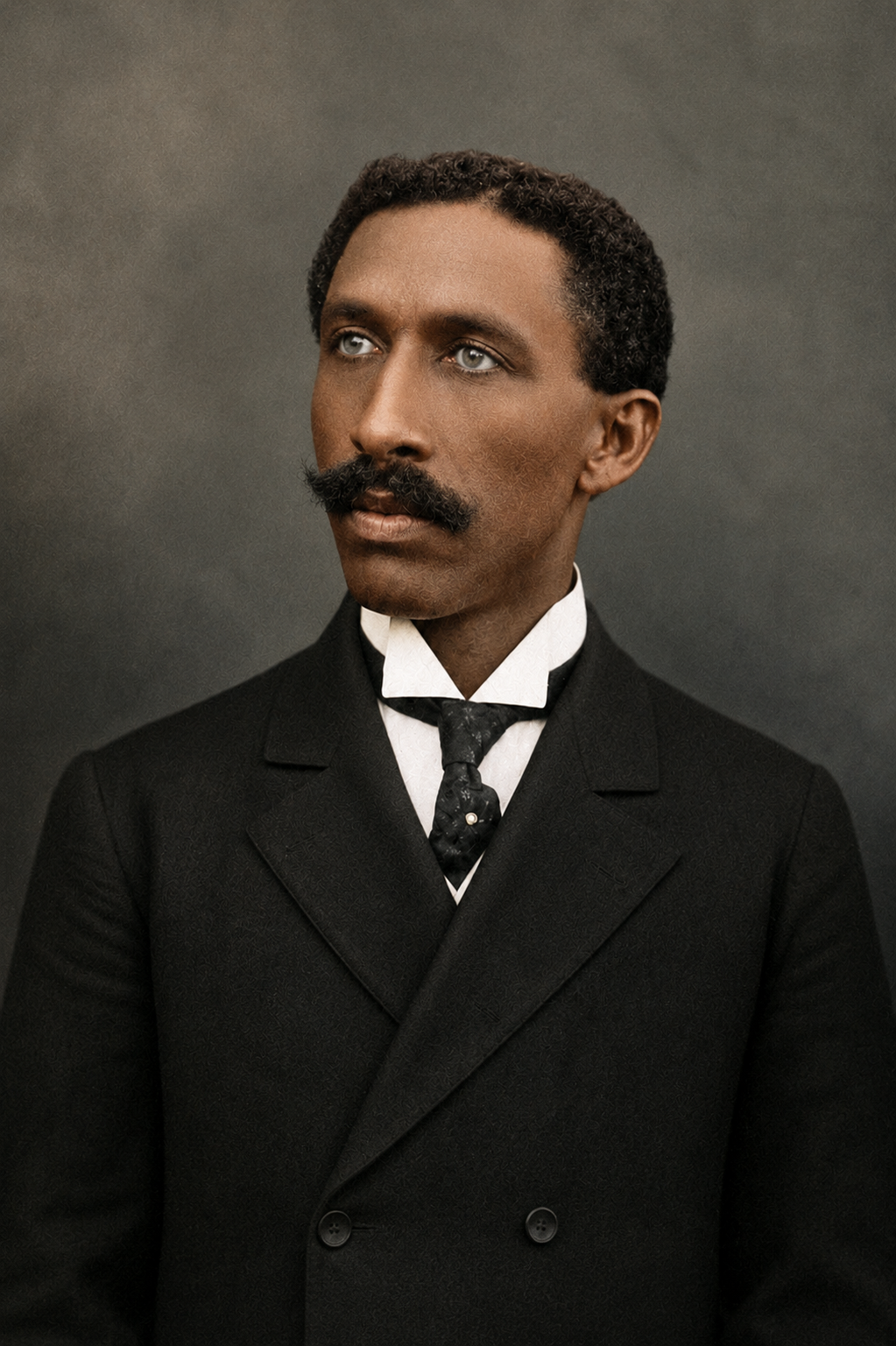
Sidney Dillon Redmond: From a Sharecropper’s Farm to Fame and Fortune
Sidney Dillon Redmond was born October 11, 1871, in Holmes County, Mississippi, the son of Charles and Esther Redmond, both formerly enslaved. His parents became sharecroppers after emancipation, and Sidney spent much of his childhood working on the family farm. According to biographical accounts, his access to education was so limited that he was thirteen before he learned to write his name and count. After his father died, the family sold their farm and moved to Holly Springs, opening an entirely different world to the young Redmond.
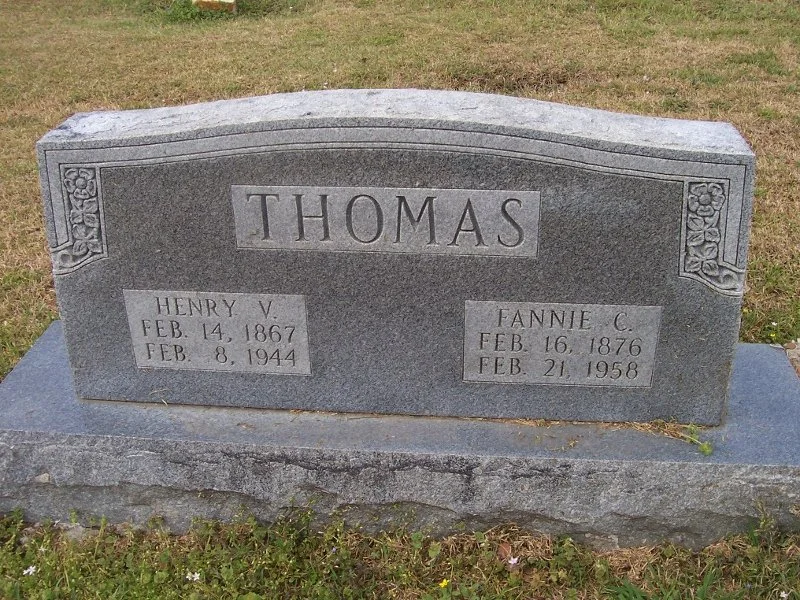
From Monument Street to a National Movement: The Story of Henry and Fannie Thomas
From Monument Street to a National Movement: The Story of Henry and Fannie Thomas
There was a time in Jackson when some of the city’s most important moments passed quietly through a greenhouse on Monument Street.
At 210 Monument Street, Henry and Fannie Thomas built a life together that was “rooted” in work, faith, and community. Their business was flowers, but their work reached far beyond that. For years, they supplied arrangements for churches, celebrations, and, most often, funerals—those solemn moments when families gathered to say goodbye and needed something beautiful to mark the occasion.
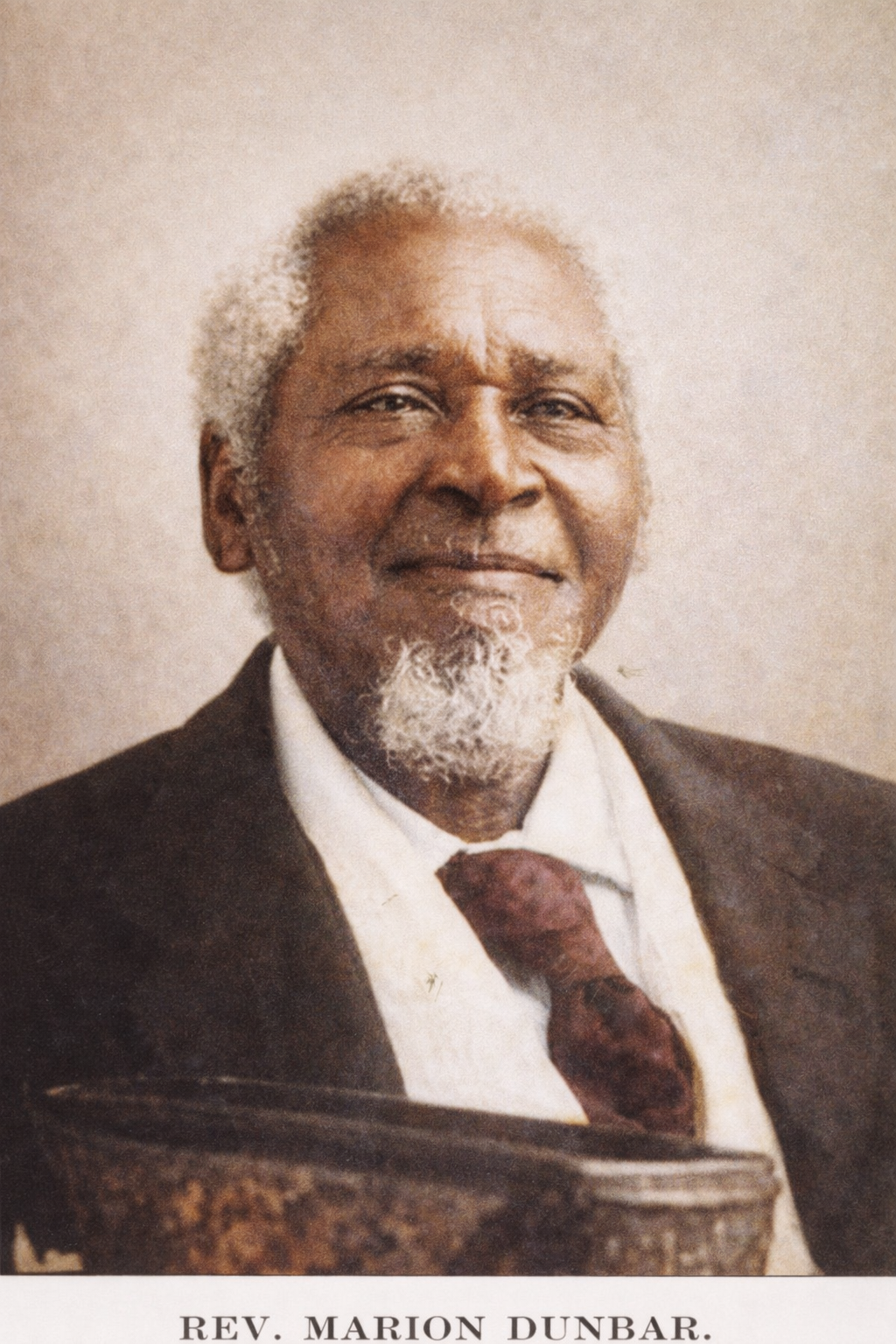
Reverend Marion Dunbar: From Blacksmith to Church Builder
The founding pastor of Mt. Helm Baptist Church (Greenwood Cemetery’s neighbor to the west) was impactful and influential in many circles outside of his ministry including offering the first classrooms for what would become Jackson State University.
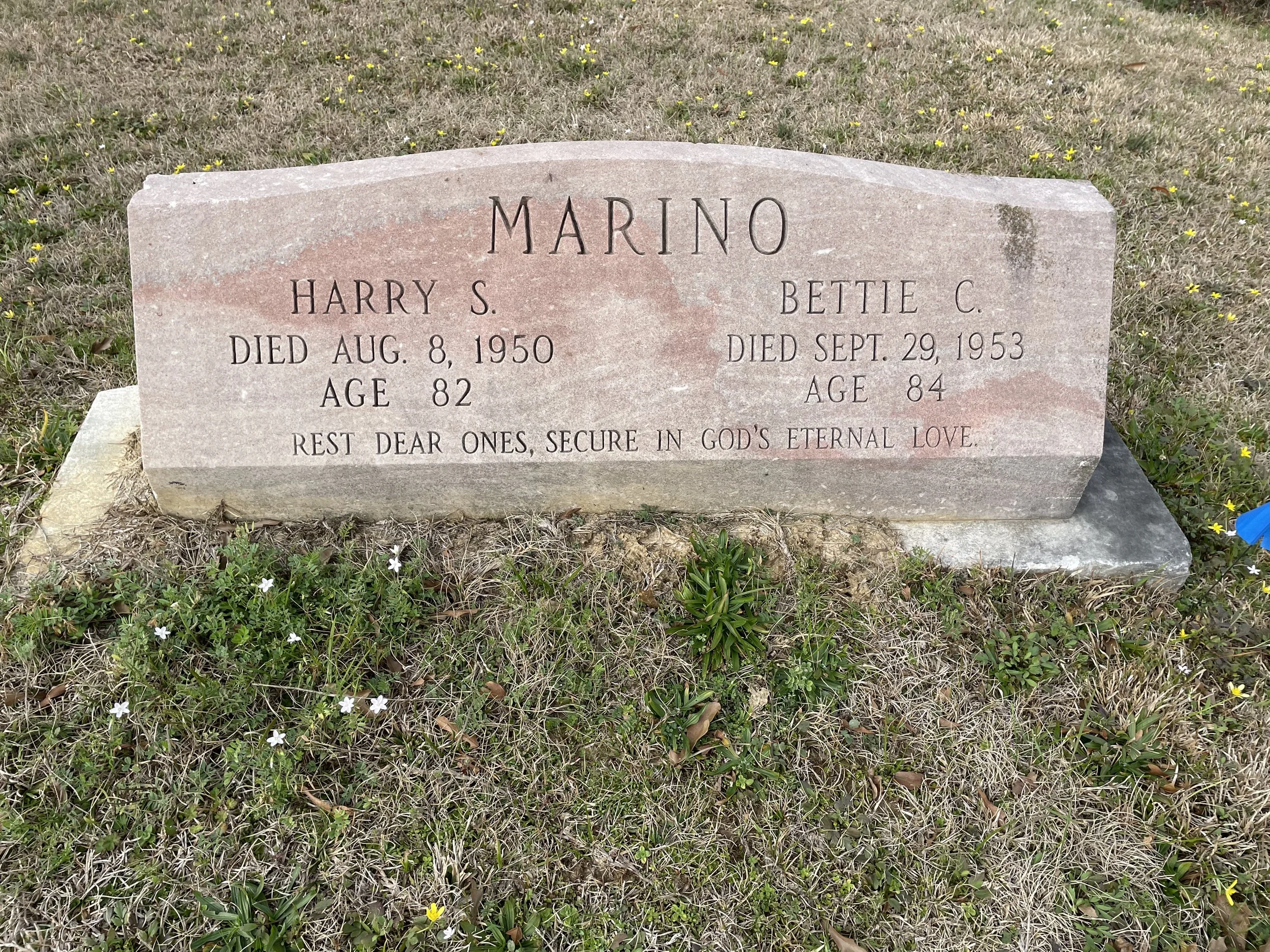
Bettie C. Marino: Educator, Organizer, and Builder of Institutions in Jackson
In the history of Black education and civic life in Jackson, Mississippi, the name Bettie C. Marino stands with quiet strength. She was remembered not only as one of the city’s first Black school teachers, but as a founder, organizer, and institutional builder whose work shaped generations of women and girls.
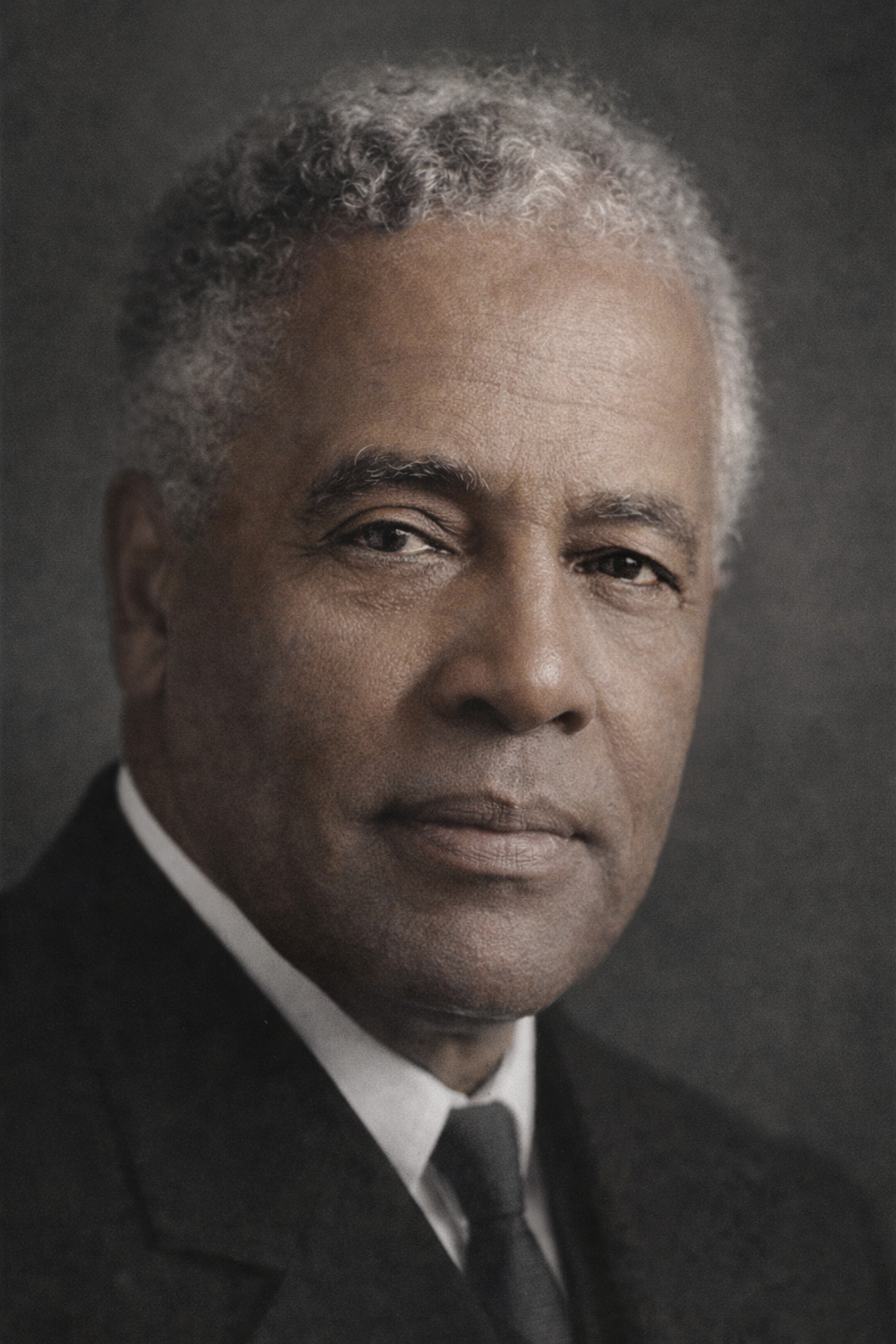
Professor W.H. Lanier: Architect of Jackson’s Black School System
William Henry Lanier was among the most consequential African American educators in Mississippi during the late nineteenth and early twentieth centuries. Born enslaved in Alabama around 1851, Lanier rose to become a college president, long-serving supervisor of Black public schools in Jackson, and the namesake of the city’s first four-year Black high school. His career reflects both the possibilities and the tensions that shaped Black educational leadership in the post–Civil War South.
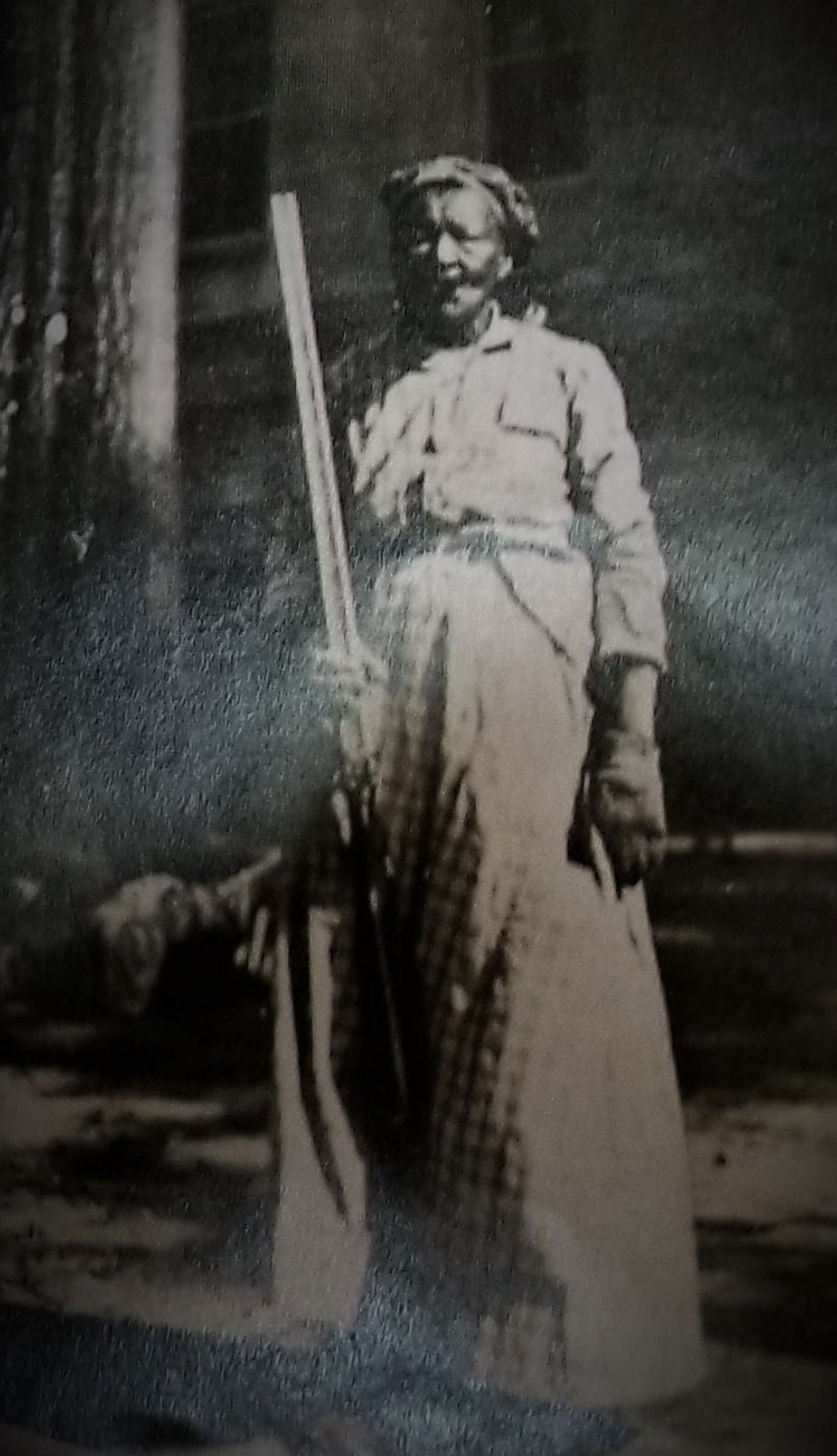
AUNT NANCY HILL
It has been said that the brilliant inventor Thomas Edison (1847-1931) dreamed of developing a “spirit phone” that could record the voices of the dead. I wish there were such a device…